
Stress incontinence test
Test instructions
The test is only indicative. If the results show symptoms, it is better to consult a specialist.
Interview with Dr. Zh. Daskalova
After completing the stress incontinence questionnaire, you can learn more about the condition itself, its causes, and treatment options. Below, we share an expert interview with Dr. Zh. Daskalova, in which she explains the key symptoms and modern therapeutic approaches, including MonaLisa Touch laser therapy. The interview will help you better understand the test results and next steps.
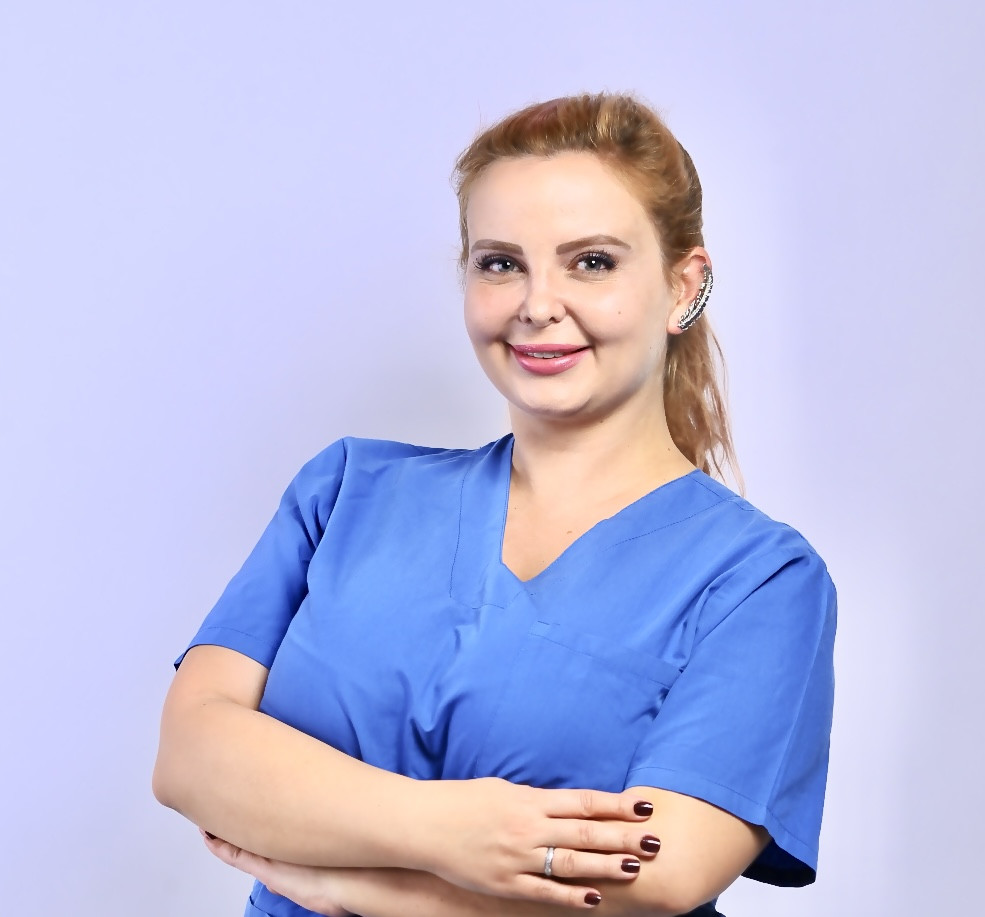
Dr. Janine Daskalova, Obstetrician-Gynecologist

Interview with Dr. Zh. Daskalova on stress incontinence and MonaLisa Touch laser therapy
 Question 1: Dr. Daskalova, what is stress incontinence?

Stress incontinence is the involuntary loss of urine during physical exertion, coughing, sneezing, laughing, or sports. The cause is usually weakening of the pelvic floor muscles and urethral sphincter, which allows urine to leak when intra-abdominal pressure increases.
Question 2: What is the difference between stress incontinence and urge (compulsive) incontinence?
With stress incontinence, urine leakage is caused by physical exertion, while with urge incontinence, you have a sudden and urgent need to urinate, which often leads to urine leakage if you cannot reach the toilet in time. The two conditions can occur separately or together.
Question 3: Which women are typically affected by stress incontinence?
The problem is most common in women who have given birth naturally, especially with large babies, long and difficult deliveries, and multiple pregnancies, in women going through menopause due to a decrease in estrogen and loss of vaginal tissue tone, as well as in anyone who has pelvic floor weakness due to advanced age or genetic predisposition.
Question 4: Are there ways to prevent stress incontinence?
Yes, prevention includes strengthening the pelvic floor muscles through exercises (Kegel), maintaining a healthy weight, avoiding chronic constipation and heavy physical exertion, as well as regular gynecological examinations. Special attention is recommended for women after childbirth and those who are overweight and/or have a large waist circumference, as these factors increase the risk of developing stress incontinence.
Question 5: What are the current methods for treating stress incontinence?
Treatment can be conservative, such as pelvic floor exercises and physical therapy, or medical, including minimally invasive procedures. One of the modern approaches is MonaLisa Touch laser therapy, which stimulates vaginal tissue regeneration, improves elasticity and support of the urethra, which can reduce or eliminate symptoms.
Question 6: Can MonaLisa Touch laser therapy help all women with this problem?
Laser therapy is particularly suitable for women in premenopause, menopause, and those with mild to moderate stress incontinence. It is a non-surgical method with minimal discomfort and quick recovery. In more severe cases, it can be combined with other treatment methods.
Question 7: How many procedures are necessary and what are the results?
Three treatments at intervals of 4–6 weeks are usually recommended during the first year. Many women report significant improvement after the first treatment, with maximum effect observed after completion of the entire series. The effect can be maintained with annual follow-up treatments.
Question 8: What advice would you give to women who have symptoms of stress incontinence?
The most important thing is not to be ashamed and to seek professional help. Stress incontinence is a common problem and there are effective solutions. Early diagnosis, an individual approach, and prevention in women after childbirth or who are overweight give the best results.


